Planning An African Hunt
Planning an African hunt can be an overwhelming project, not only because of the pressure from the often hefty financial commitment but also because of the huge number of things to be organised.
Many veteran hunters of Africa may find planning a trip fairly easy but first-timers particularly may need some help.
"Good plans shape good decisions. That's why good planning helps to make elusive dreams come true" Lester R Bittel, The Nine Master Keys of Management
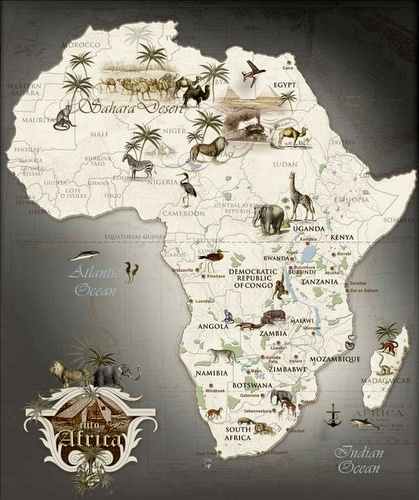
Here are the nuts and bolts of planning an African hunt from how to choose a company, whether to use an agent or not, how to budget a hunt and many more topics on further pages. Learn what to look for and how to avoid the pitfalls so your African safari will be everything you dreamed of and more. Remember, as with all purchases, if an African hunt deal looks too good to be true, it probably is...
Start planning an African hunt by asking yourself the following questions....
Q: Which African hunting country do you want to go to?
A: This question is closely linked to what African game animals you want to hunt. If you have no special animal preference and are looking for mixed bag of general plains game, you can look at several countries based on other factors, such as budget, hunting camp quality, availability of sight-seeing trips, etc.
If you are looking for specific African animal then you may have to go to a particular country and area. A complete list of the huntable animals can be found on each African hunting country page.
Q: When would you like to go hunting and for how long?
A: You will need to match your hunt dates to the hunting season of the country of your choice, if it has a fixed season. Then you may need to time your hunt with the most preferable conditions to be successful with a certain animal. For example, if you are after a Cape Buffalo in a wilderness area, you may want to tie your dates to the peak time when buffalo hunting is somewhat easier due to lower vegetation and reduced surface water. Similarly, if you are after leopard, a hunt of less than 14 days is unrealistic given the habits of tom leopards. Also hunting leopard at the time antelope or warthog are dropping young may make it tougher to attract them to bait.
Q: Will an African hunt fit your budget?
A: Assuming you know what you want to pay for your hunt itself, look for a hunt where the bottom line is clearly the true price and there are no 'hidden extras' or provisos about the price changing if the exchange rate changes by the time you go. Give hunts with unclear pricing a very wide berth.
You will need to know all the possible hunt costs involved, so ask about all the items that may apply to you and may not been mentioned by the outfitter.
Don't forget all the additional costs around the actual hunt like taxidermy, trophy shipping, hotel accommodation and the myriad of other possible expenses.
Q: What level of travel and accommodation would you be comfortable with?
A: If this is a priority for you and any non-hunters you may take, make a point of asking detailed questions about the hunting camp facilities. Get extra photos sent to you. You may want a camp with all mod-cons or conversely, having a TV, pool table and jacuzzi may spoil the magic of your hunt.
Q: Do you only want to pursue a variety of plains game species?
A: Try to prioritise the animals you want to hunt. You will have plenty of choice for where to go for the 'common' African plains game species (impala, warthog etc) if they are what you want to hunt. If you want to add a special, high-dollar antelope as well, such as nyala or gemsbok, carefully compare the trophy fees. If you are seriously into wanting record book-sized trophies, research areas that may deliver more than others but take care...no outfitter can or should 100% guarantee a certain trophy size.
Q: Do you want a primarily dangerous game hunt with the opportunity to take some plains game?
A: Decide whether you want to hunt behind a fence or in a wilderness area. Taking a Cape buffalo hunt as an example, behind a fence you are likely to be successful with an often-predictable horn spread measurement. The daily rate will be lower on a game ranch hunt but the trophy fee will be much higher. The reverse will be true in a wilderness area. Again, prioritise the species you want and look for the best areas and outfitters to suit your budget.
Q: Do you want to hunt alone or with a companion?
A: Hunting 2x1 is cheaper but you get only half the hunt time, in theory. On most full-bag dangerous game hunts the 2x1 hunters won't be able to take a key species (lion, leopard, elephant) each. They will have to decide who will hunt what between them. Also make sure you are completely compatible with your prospective hunting companion - hunting can make or break a friendship.
Q: Do you intend bringing your spouse, family or friends?
A: Everywhere non-hunting observers are very welcome. Prices vary for their accommodation. Carefully check out the standards of accommodation and camp facilities to keep them happy.
Q: Do you need additional activities to be available for your spouse/family during the hunt?
A: There is not a lot for a non-hunter to do in a remote wilderness area short of going out hunting with you, rest and relaxation. On a hunt in South Africa, for example, it is usually easier to arrange sight-seeing trips at extra cost.
Q: Are there any other activities you want to pursue?
A: If you definitely want to wingshoot or fish in addition to hunting, check the availability first. Some outfitters do not allow wingshooting in their hunting areas. Some offer informal wingshooting but if it's 'proper' wingshooting with dogs that you prefer, select a specialist wing-shooting outfitter. Don't bother to lug a shotgun or fishing rod over to Africa if you want a few hours bird shooting or fishing in your hunt downtime - most outfitters will have some equipment in camp.
More On Planning An African Hunt
- Why Hunt Africa?
- Selecting An African Hunt
- Hunting Agent Or Outfitter?
- Choosing A Hunting Company
- African Hunt Pricing
- African Hunt Budgeting -
- Home >
- Planning An African Hunt
Page Updated: Feb 2024

Shakari Connection Bookshelf
Browse the Bookshelf mini-site for thousands of African hunting books and much more....

African Hunting Countries
- Hunting Benin Benin Travel
- Hunting Botswana Botswana Travel
- Hunting Burkina Faso Burkina Faso Travel
- Hunting Cameroon Cameroon Travel
- Hunting Central African Republic Central African Republic Travel
- Hunting Ethiopia Ethiopia Travel
- Hunting Mozambique Mozambique Travel
- Hunting Namibia Namibia Travel
- Hunting South Africa South Africa Travel
- Hunting Tanzania Tanzania Travel
- Hunting Uganda Uganda Travel
- Hunting Zambia Zambia Travel
- Hunting Zimbabwe Zimbabwe Travel
Hunting Gear For Africa
- Ammo Holders
- Flashlights / Torches
- Headlamps
- Other Light Gadgets
- Hearing Protectors
- Gaiters
- Personal Water Bottles
- Hydration Backpacks
European Hunting
African Travel For Hunters
- First Time To Africa?
- Money In Africa
- Travel Agents For Africa
- Airlines To Africa
- African Airports
- Airport Security Tips
- Tips For Packing Luggage
- Airline Baggage Allowances
- Airline Lost Baggage
- Jet-Lag Remedies & Longhaul Flight Survival
- Air Charters In Africa
- Visas & Passports
- Global Rescue
- Travel Insurance

African Hunter Magazine
African Game Animals
Miscellaneous Hunting Topics
- African Hunting Articles
- African Hunt Packing List
- Hunt Preparation Checklist
- African Trophy Photography
- African Hunting Seasons
- Weather In Africa
- African Moonlight
- Your African Hunt Stories
African Wildlife Art
Create Your Own Website

Affiliate Disclosure
Shakari Connection is a participant in the Amazon Services LLC Associates Program, an affiliate advertising program designed to provide a means for sites to earn advertising fees by advertising and linking to amazon.com
Visitors' Favourite Pages
|
|
|
|
|
| Double Rifles | Baboon Hunting | Safari Hats | Insect Repellents For Africa | African Hunter Shot Placement |


Copyright © 2008-2024. All rights reserved. No part of this website may be reproduced for publication without written permission.